
Open-cell foam
This is the softer, lighter foam, very good at stopping drafts and usually less costly than closed-cell. It suits walls and rooflines with room for a thicker layer, in houses where moisture isn't the main worry.
Hot upstairs, drafty rooms or a high power bill? We pick the right foam for your roof and household and seal the attic properly.
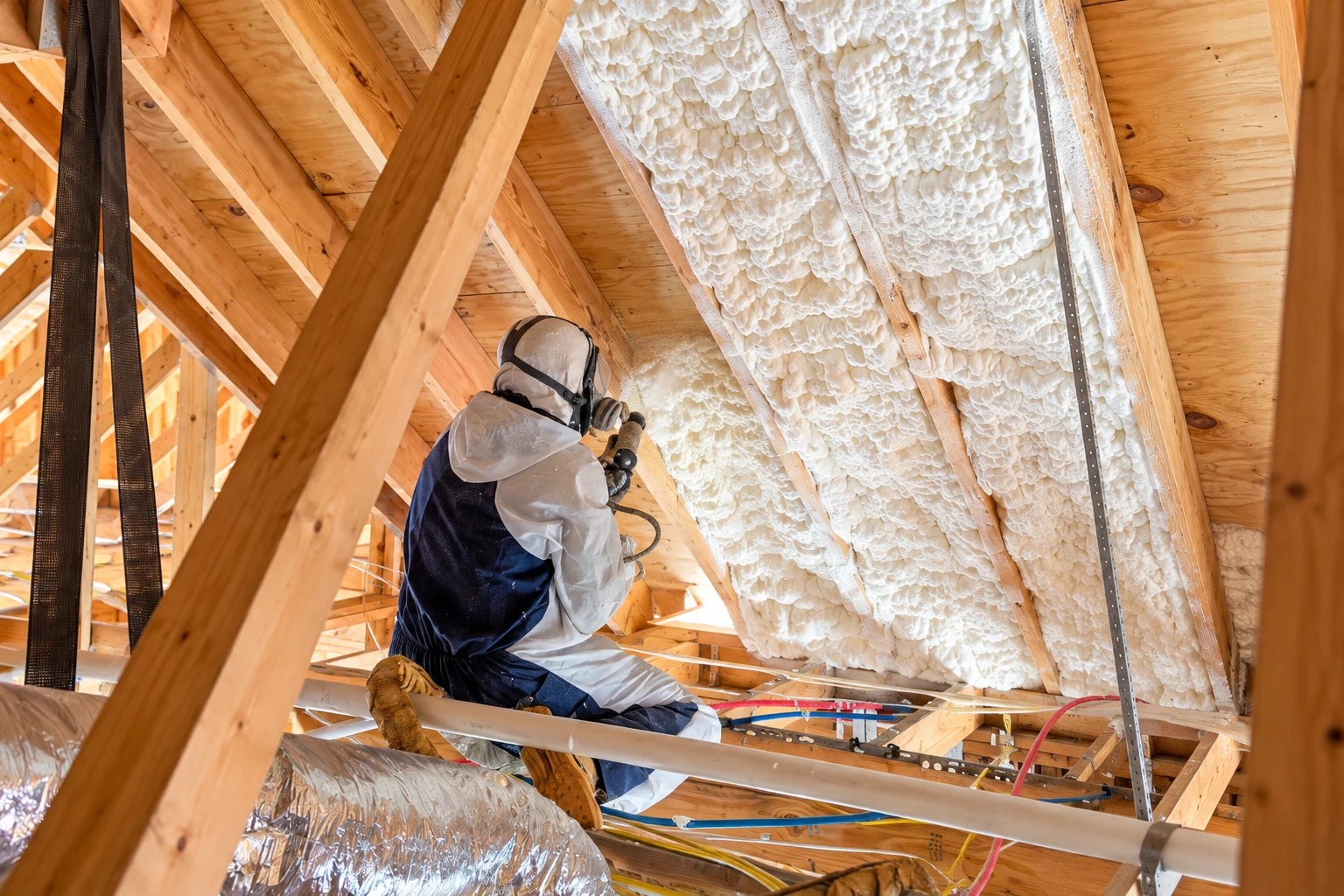
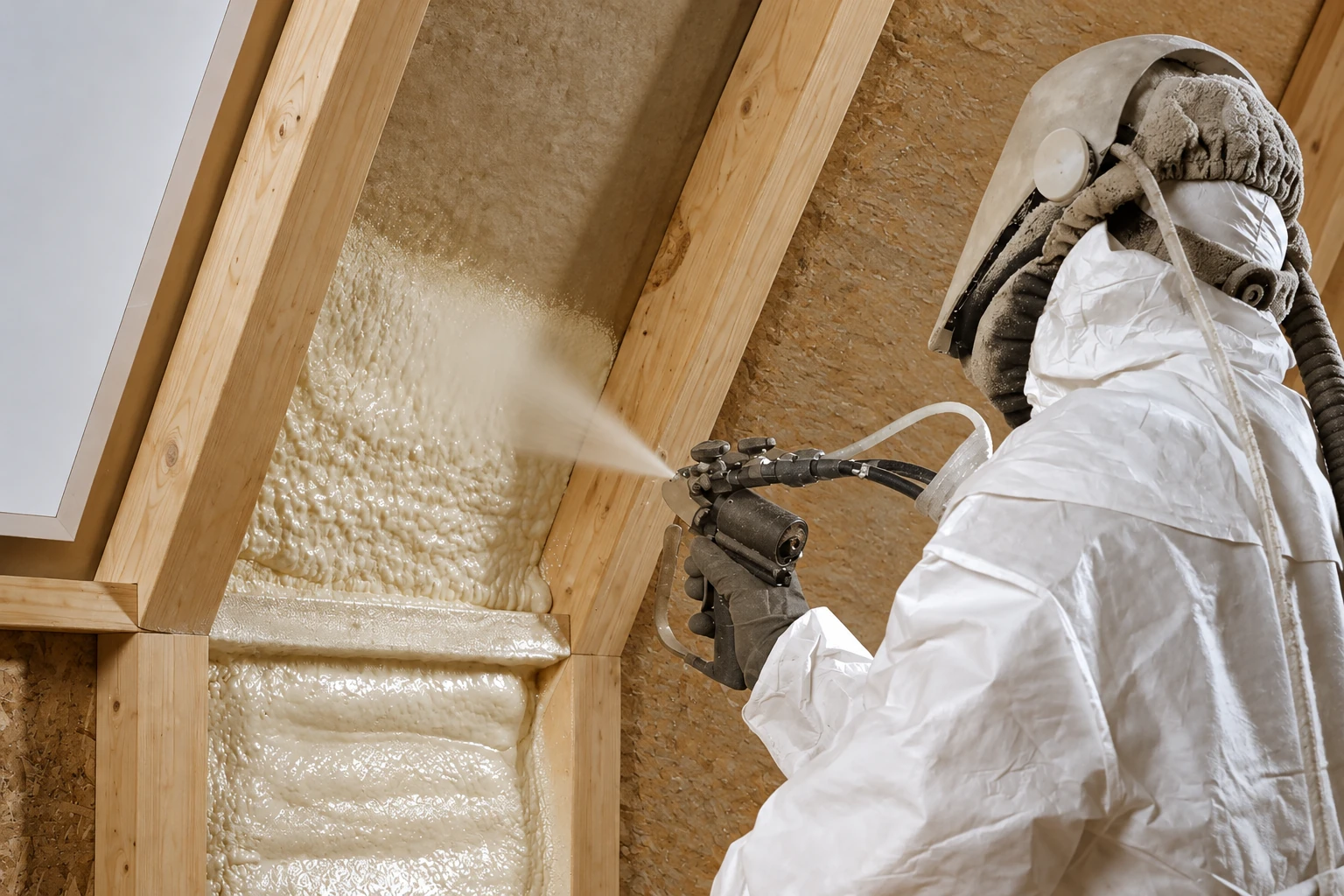
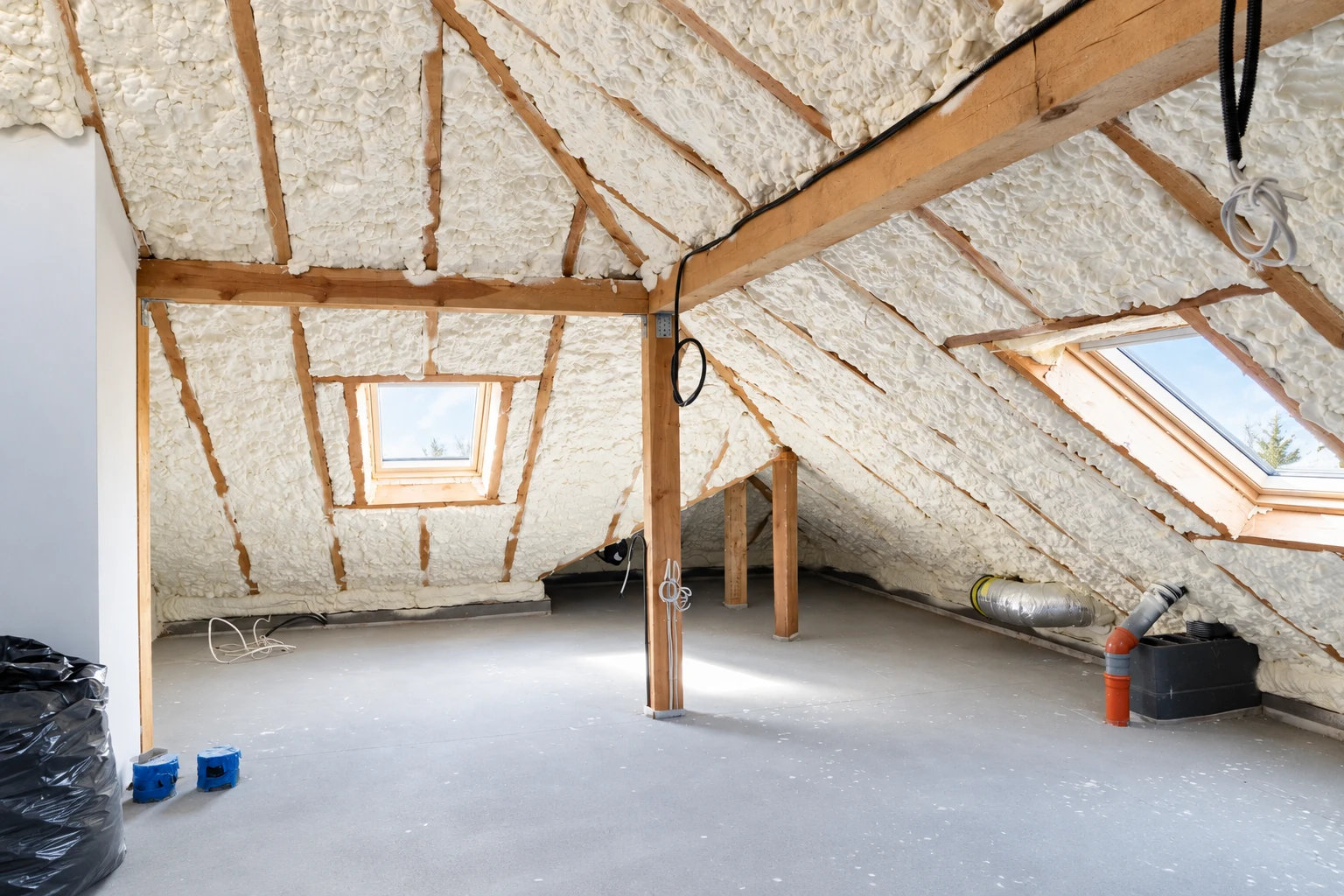
Spray foam insulation is foam sprayed under the roof, into walls or around the room over the garage, where it slows heat and stops drafts in the same layer. C&L East Los Angeles Insulation sprays open-cell and closed-cell foam in homes across East Los Angeles, after we've checked the roof and talked about who lives in the house.
Most people call because it's hot upstairs, the room over the garage never feels right or the power bill keeps climbing, and foam is one fix but not always the cheapest one. The price moves with how much area we're covering, which foam fits, how thick it goes on and whether old insulation that's flattened, soaked or full of droppings has to come out first through insulation removal. The schedule turns on the roof, since any repairs come before foam, and on finding a day your household can be out. The estimate is where you find out, because we write down what your job needs and what has to come first.
I look at the attic, walls or crawl space with you myself, not a salesperson. I write down what the job needs and what has to come first, and if your attic is fine as it is, I'll tell you that instead of selling you foam.
Our lead installer runs the crew on the job, so the person in your attic is working from the plan we wrote down at the estimate. When the foam is in, I look over the work with you before we call it done.
We're licensed and insured, and our insurance covers every job we do. California's contractor license board defines insulation work as installing any insulating material for temperature or sound control, and spraying foam in your attic falls right inside that.
I hauled junk out of attics around East Los Angeles for years and kept finding insulation that was flattened, soaked or full of droppings, so since 2017 we've fixed the problem first. Our work is backed by our satisfaction guarantee. Call (213) 329-0372 to book an estimate.
We reply within one business day. The estimate is free, done in person, and there's no pressure to book. I'll look at your attic, walls or crawl space with you and write down what the job needs and what comes first, so it helps to have the rough square footage, the roof's age and any health concerns at home ready.
East Los Angeles is unincorporated, so LA County Public Works issues building permits here, and the county asks owners to contact their local office to find out what a project requires. For addresses here that's the county's East Los Angeles Building and Safety Office, reached at (323) 881-7030, and the county's Service Locator lists phone and email contacts for its offices. Before anything else, we check which office covers your address, because the cities around here run their own building departments, and when a job calls for a permit we take care of that step with them before work starts. The state's Energy Code also sets efficiency requirements for changes to existing homes, not only for new ones.
Around East Los Angeles we see a lot of older houses with low attics, insulation that's been flattened for years and rooms over garages that never got enough. We're based here and do the same work across the cities nearby, including Montebello, Monterey Park, Downey, El Monte, Pico Rivera and Huntington Park, plus other nearby cities.
Spray foam insulation in Los Angeles usually costs about $2 to $5 per square foot, and that's the going rate around the area, not a quote from us. Because it's priced by the square foot, the size of the area you're covering moves the total a lot. Your estimate gives you the figure for your house.
Plan on at least 24 hours away, which is what consumer safety guidance tells residents. The safe time to come back depends on the product, the kind of home and whether children or older relatives live there, so it's worth lining up a place to stay. We go by the maker's guidance for the product we used before anyone heads back in.
Closed-cell is usually the pick for tight spaces and attics sealed right under the roof, while open-cell is the lighter choice for stopping drafts. An older federal energy guide rates closed-cell as preferred for those sealed attics and for cathedral ceilings in all climates, because it insulates so well per inch that the needed amount fits where space is short. Open-cell blocks air well, but water vapor can pass through it, so it isn't the foam to count on against moisture.
Read the product information carefully before you decide, because consumer safety guidance names people with asthma, respiratory allergies, skin conditions or a past reaction to isocyanates, the chemicals in the foam, as the ones who should. If that describes your household, other kinds of insulation are worth considering. We talk it through at the estimate, before any foam is chosen.
Yes, closed-cell foam can, because water doesn't soak into it, so a leak may not show up right away. On a worn roof that makes leaks harder to find, which is why we look at the roof's age and condition before recommending closed-cell. If the roof needs work, that comes first.
Generally yes, unless the foam has passed large-scale fire tests. The spray foam industry's trade group says model building codes call for foam to be covered with a protective layer, known as a thermal or ignition barrier, or to pass those tests. The point is to give the people in the house time to get out in a fire, so it's worth settling before the job is planned.