
I come out to every estimate
I'm the one who looks at your attic, walls or crawl space with you. Our lead installer runs the crew on the job, and when it's done I go over the work with you, so you know plainly what we did and why we did it.
C&L East Los Angeles Insulation is an insulation contractor in East Los Angeles, CA, working in the attics, walls and crawl spaces of houses all over the community. We take out what's gone bad, close up the drafts and put in insulation that does its job.
(213) 329-0372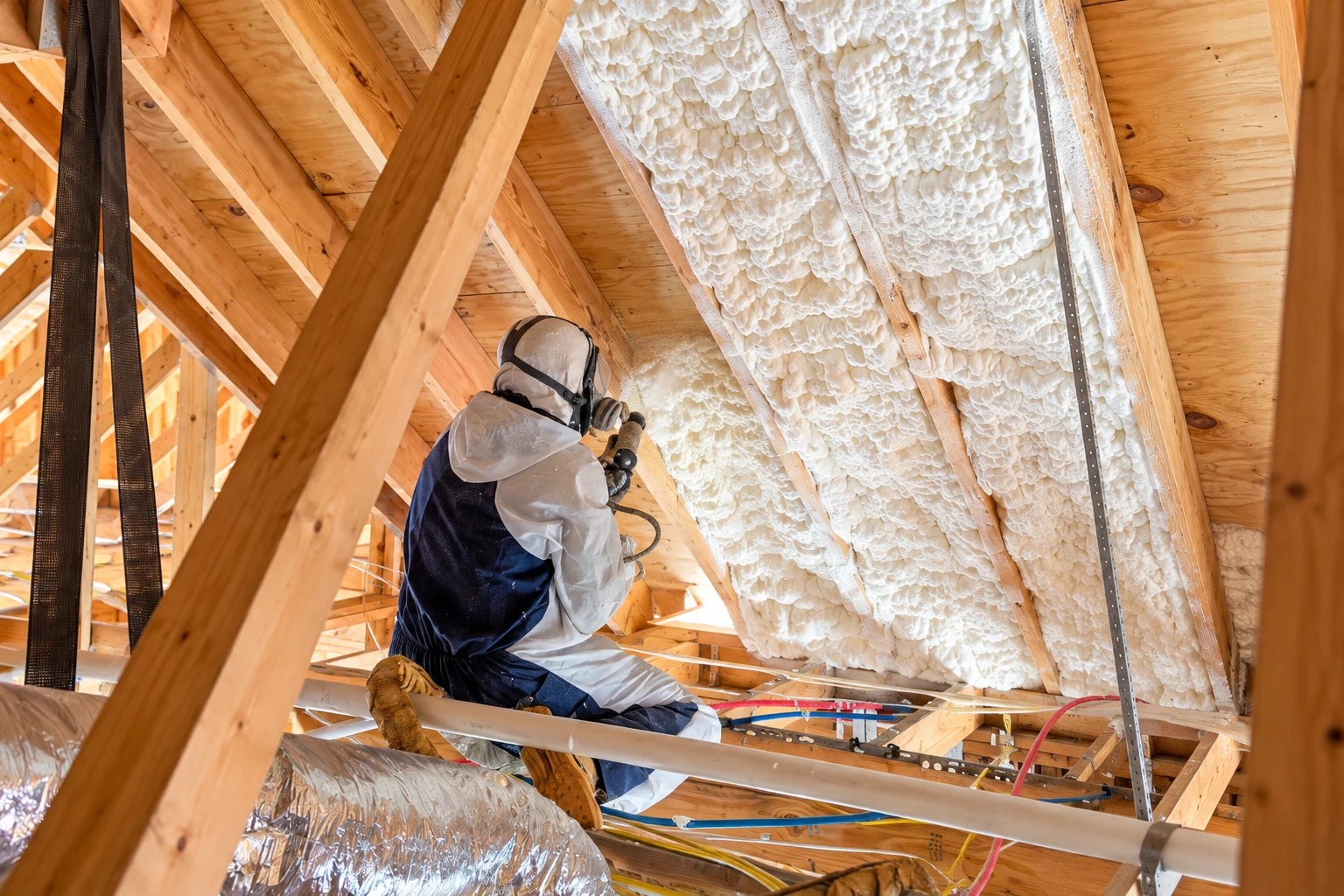
Before I opened this business in 2017, I spent years hauling junk out of garages and attics around East Los Angeles. I kept pulling down insulation that was flattened, soaked or full of droppings, and that's what got me into this trade. A lot of the houses here are older, with tight attics, a hatch in a hallway or closet, and often a room over the garage that never feels right.
Most of our calls come from homeowners who say the upstairs runs hot or the floors are cold, and from landlords getting a rental ready between tenants. We also work in Montebello and the other cities around us, and the houses there give us much the same kind of work.
Send the form or call, and we'll reply within one business day. I come out to your East Los Angeles house myself, look at the attic, walls or crawl space with you, and write down what the job needs and what has to come first. The estimate is free and there's no obligation to book.
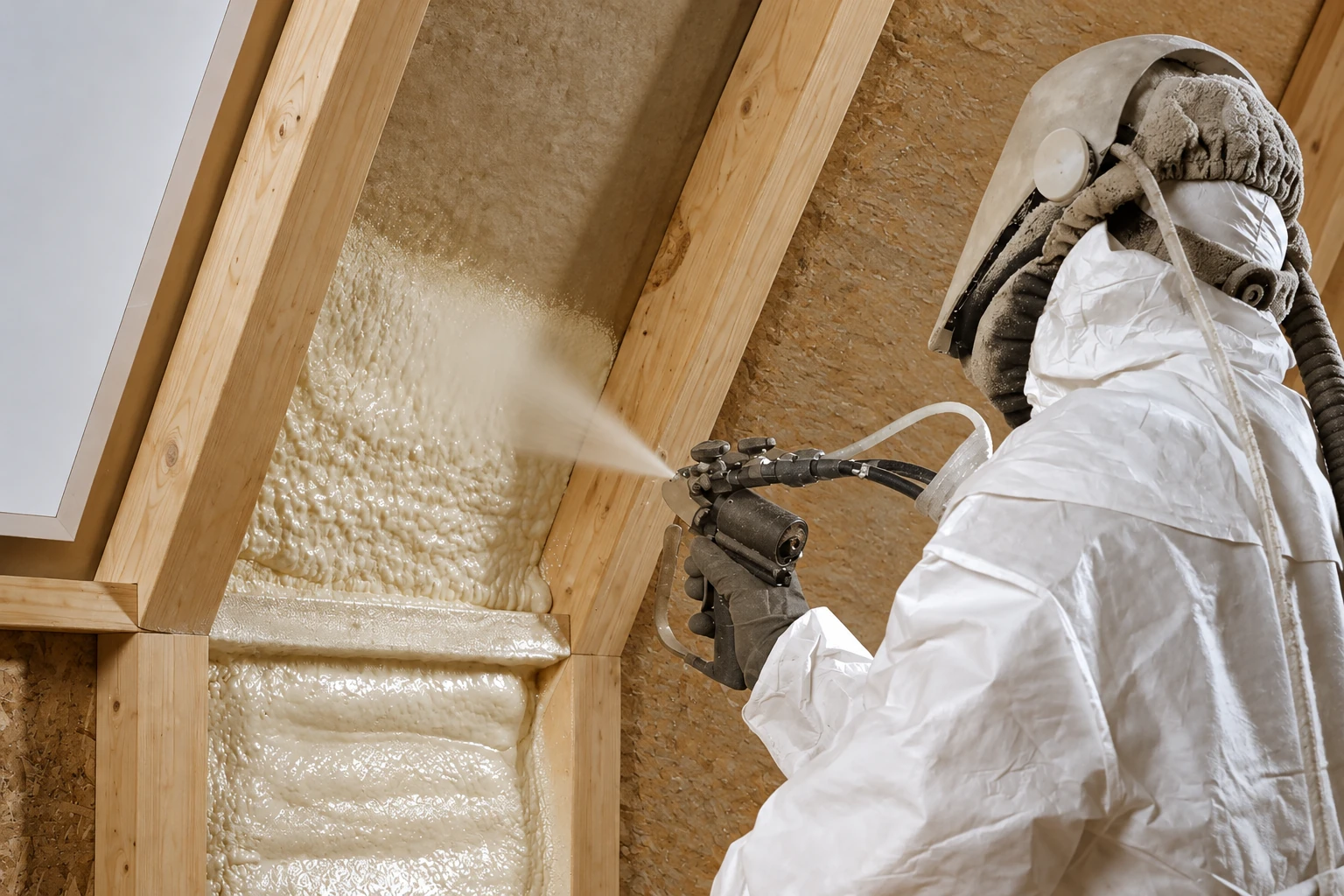
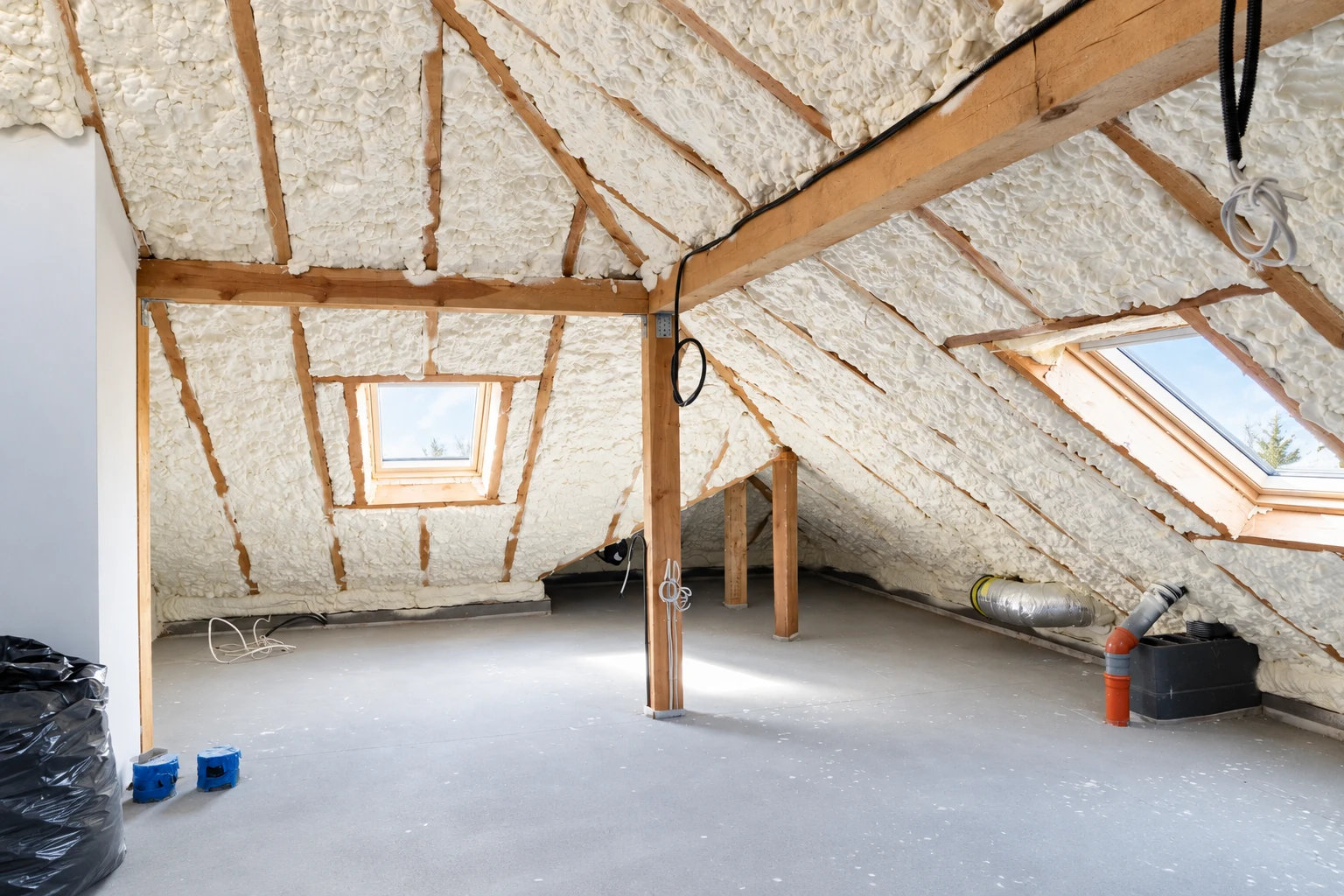
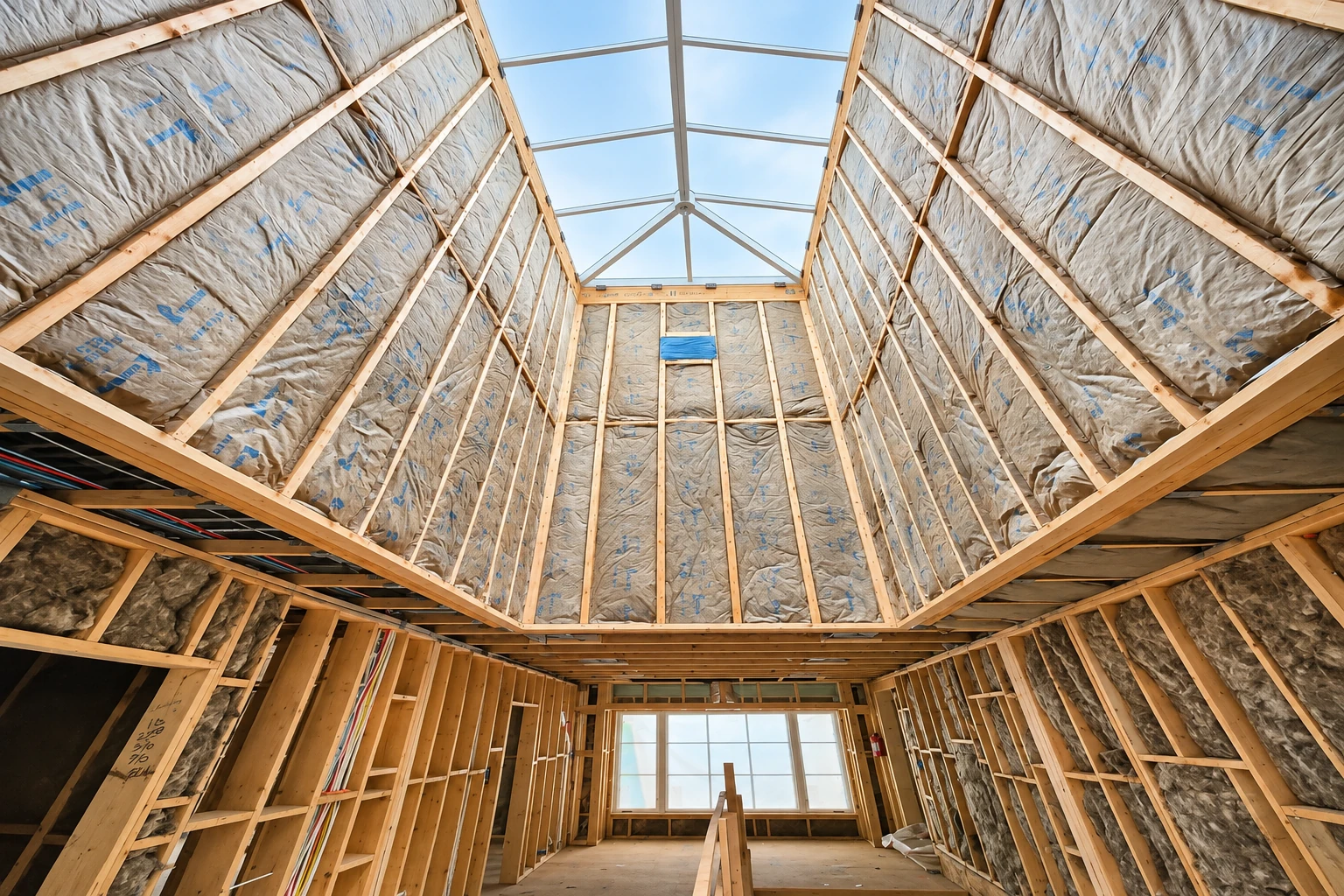
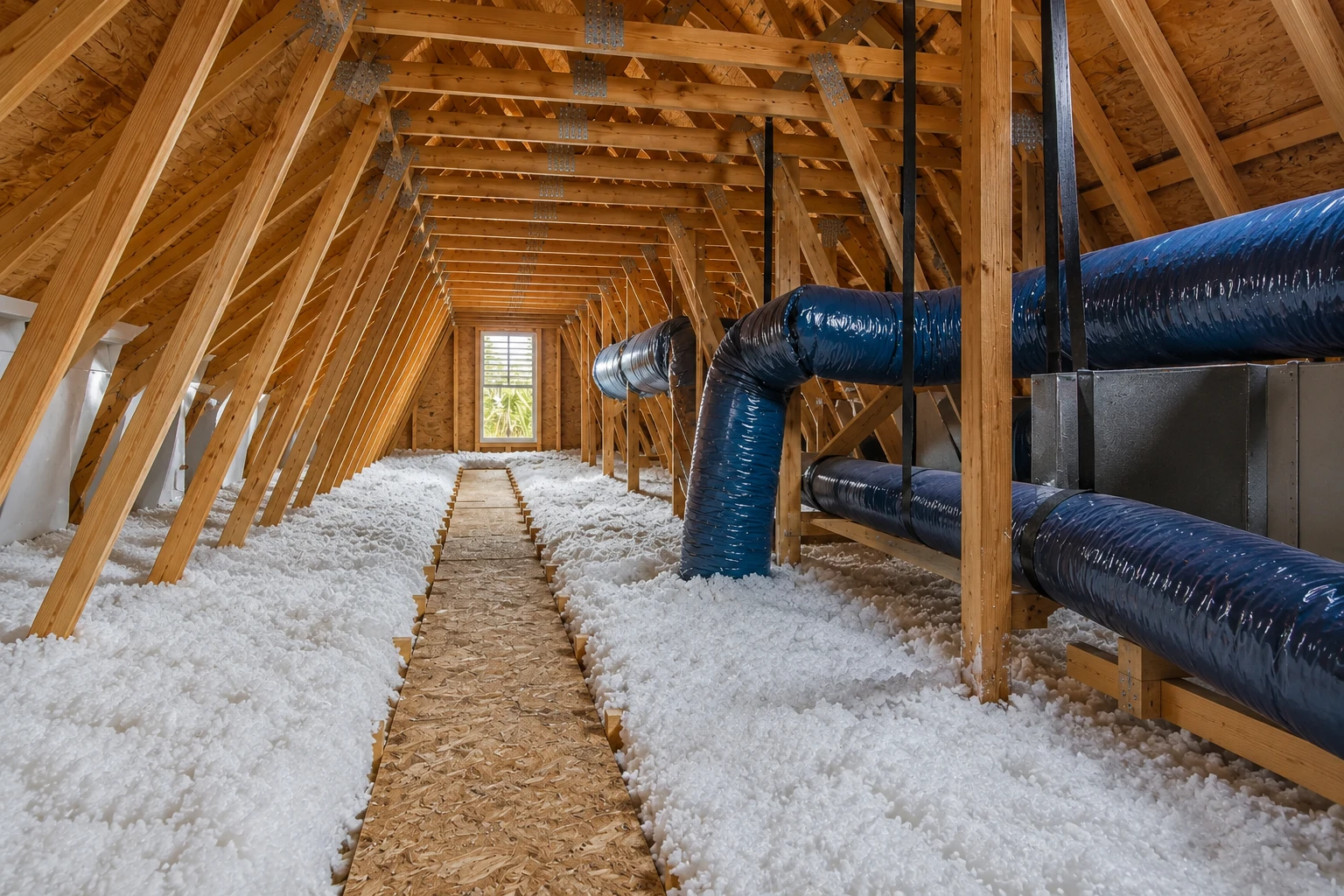
(213) 329-0372Most jobs here start in the attic, where we pull out old insulation that's flattened or dirty, seal the gaps around can lights, pipes and the hatch, and then blow in loose fill through a hose to an even depth, edge to edge. Under raised floors we insulate crawl spaces and lay vapor barrier, and in walls and rooms over the garage we fill the spaces the builder left empty. Spray foam insulation costs more and seals air while it insulates, so we suggest it mostly when your ductwork runs through the attic, because otherwise sealing the gaps and topping up loose fill usually does the job for less.
East Los Angeles is unincorporated, so building permits here come from LA County Public Works, not a city hall. The county's permit list names alterations, repairs and mechanical systems but doesn't name insulation by itself, so we ask its East Los Angeles Building and Safety Office about your job, and when a permit is called for, we take care of that step before work starts, which can move the start date. Before you hire anyone, make sure they hold a California contractor license, and ask whether they need a County Business License, since the county requires one only for the business activities on its list.
What moves the price here is mostly what's already up there. Soaked or dirty insulation has to come out before anything new goes in, a low attic with a small hatch is slower to work in, and foam costs more than loose fill, while the schedule turns on removal and any permit more than on the new insulation itself. We work the same way in Monterey Park and Commerce, though those cities run their own building departments, so the permit step there goes through their offices.
I'm the one who looks at your attic, walls or crawl space with you. Our lead installer runs the crew on the job, and when it's done I go over the work with you, so you know plainly what we did and why we did it.
Insulation laid over wet or dirty material only hides the problem. We clear out what's gone bad, seal the gaps around lights, pipes and the hatch, and keep the eave vents open so the attic can still breathe, then add the new layer.
If there's a decent depth up there and it's dry and clean, I'll tell you and leave it at that. When we do take a job, we're licensed and insured, the work is backed by our satisfaction guarantee, and you can call (213) 329-0372 to start.
Usually, yes. The state licensing board says a license applies when a job needs a building permit, uses any additional workers, or totals $1,000 or more in labor and materials. The contractor has to hold it before giving you a bid, so ask to see it up front.
Your price comes down to what has to happen before new insulation goes in, and how much of it. Pulling out soaked or dirty material, sealing a lot of gaps or working through a small hatch all add cost, and spray foam costs more than blown-in loose fill. I'll come out for free and write down the job and its order, so you see what each part is for.
The order of work, more than the insulation, sets how long we're up there. A clean attic that only needs sealing and a top-up goes much faster than one where the old material has to come out first. I'll tell you at the estimate what the job needs and what comes first, so you know before we start.
With blown-in loose fill you can usually stay home while we work, and we clean up before we go. Spray foam is different, because everyone, kids and pets included, stays out until the foam maker's re-entry time, the point it says it's safe to come back, has passed. We tell you that time before the job is booked so you can plan around it.
Usually it's air slipping through gaps, not a lack of insulation. Air gets in around can lights, pipes, the hatch and the edges of the room, and coverage is often thin at the edges where it should be full. We do air sealing first, closing those gaps, and then bring the edges up to the same depth as the middle.
State rules cap a down payment on a home improvement job at $1,000, and less than that on a smaller contract, since the cap also scales with the contract price. The rest of the payments should be listed in your contract and tied to work completed or materials delivered.