We start with your gas equipment, not the gaps. Before we close up anything, I look at how your furnace, water heater, stove or fireplace gets its air and vents, because a tighter house changes that, and I'd rather sort out a venting problem first than seal around it. Then we look over the attic for anything that has to be dealt with before sealing, like a roof leak, a bathroom fan blowing into the attic or old wiring. Next we hunt for the leaks, including the ones you can't see because they're buried under old insulation, and seal them around pipes, wires, can lights, the hatch and the tops of walls. Insulation only goes in after that, and we keep the eave vents clear so the attic can still breathe.
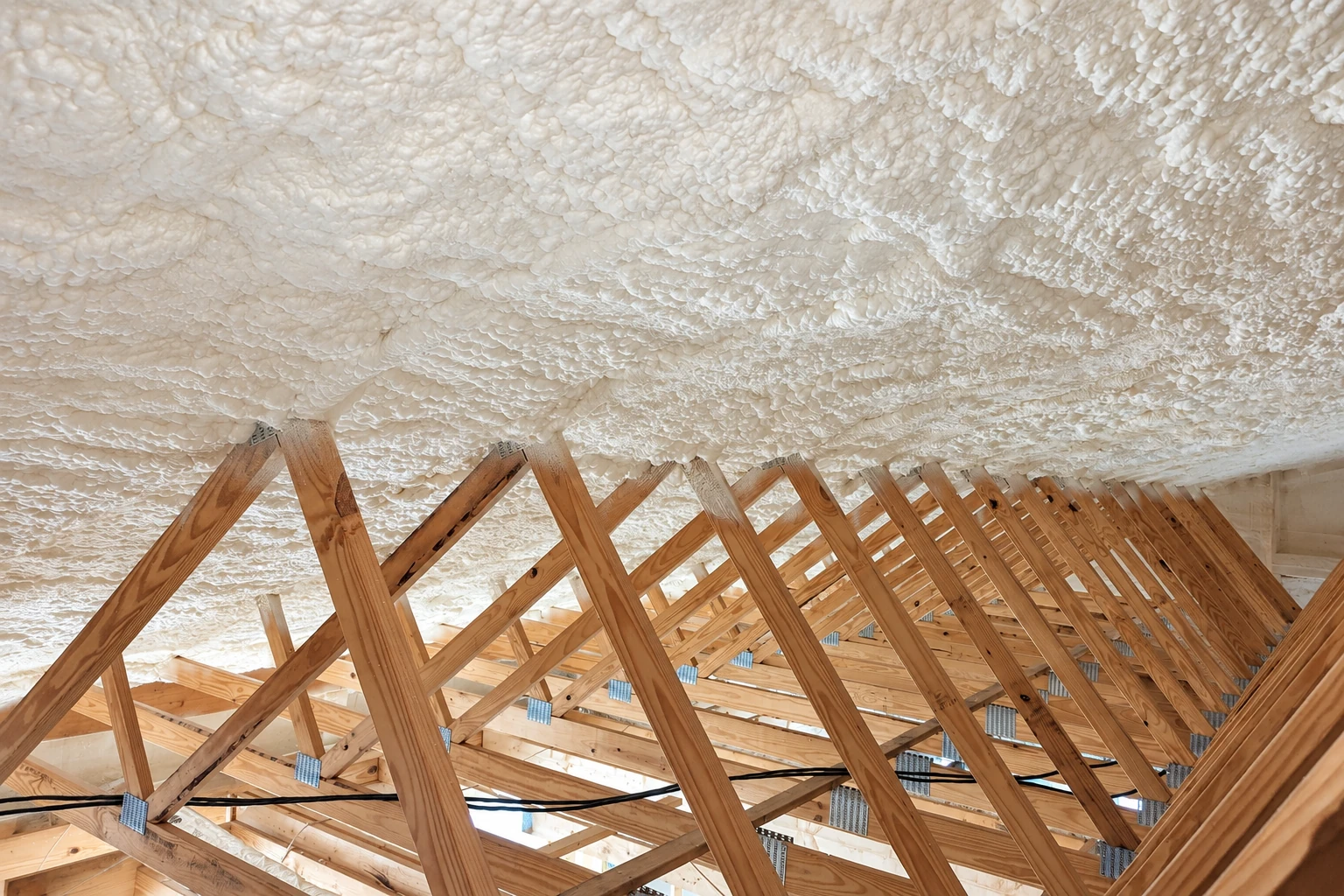
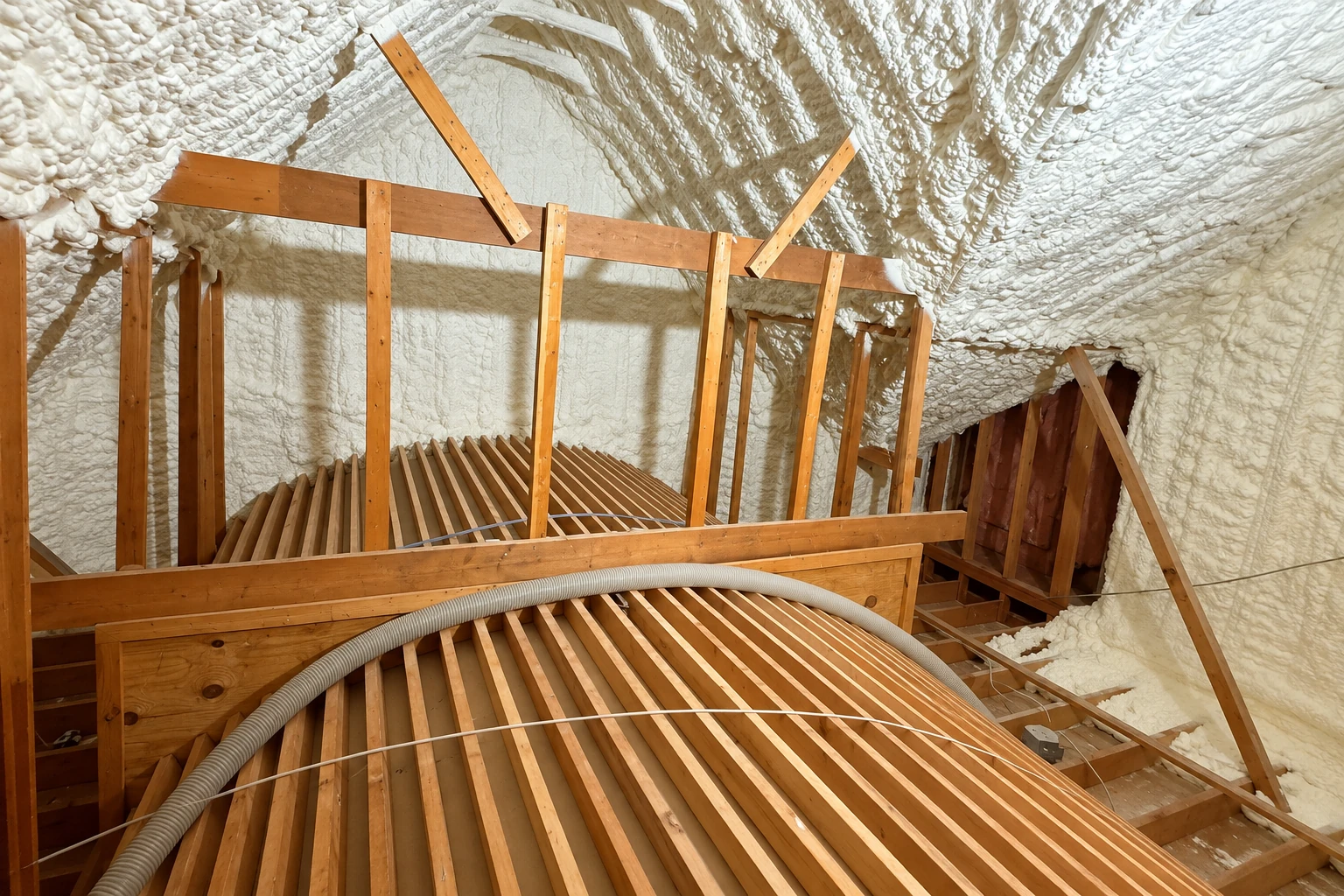
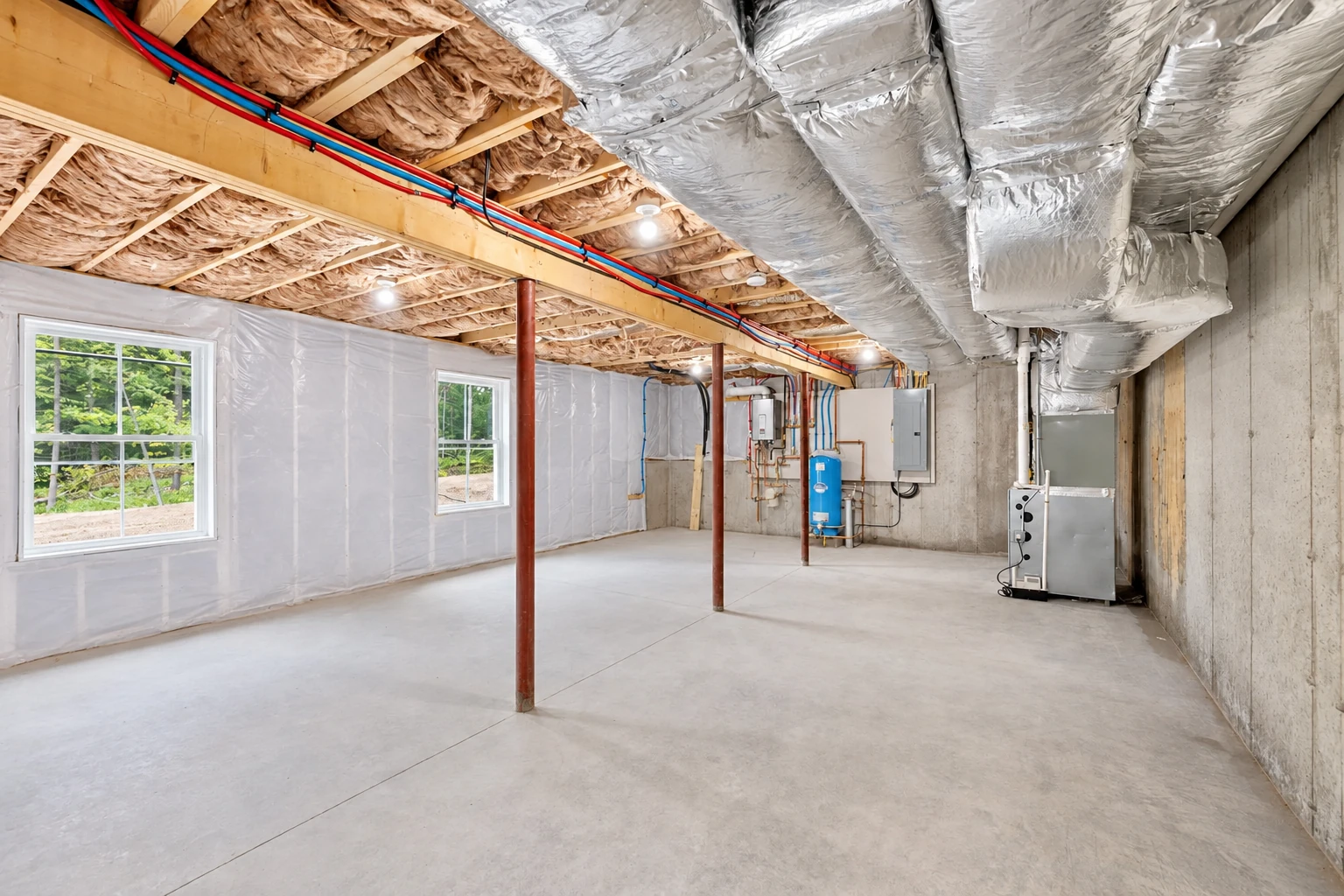
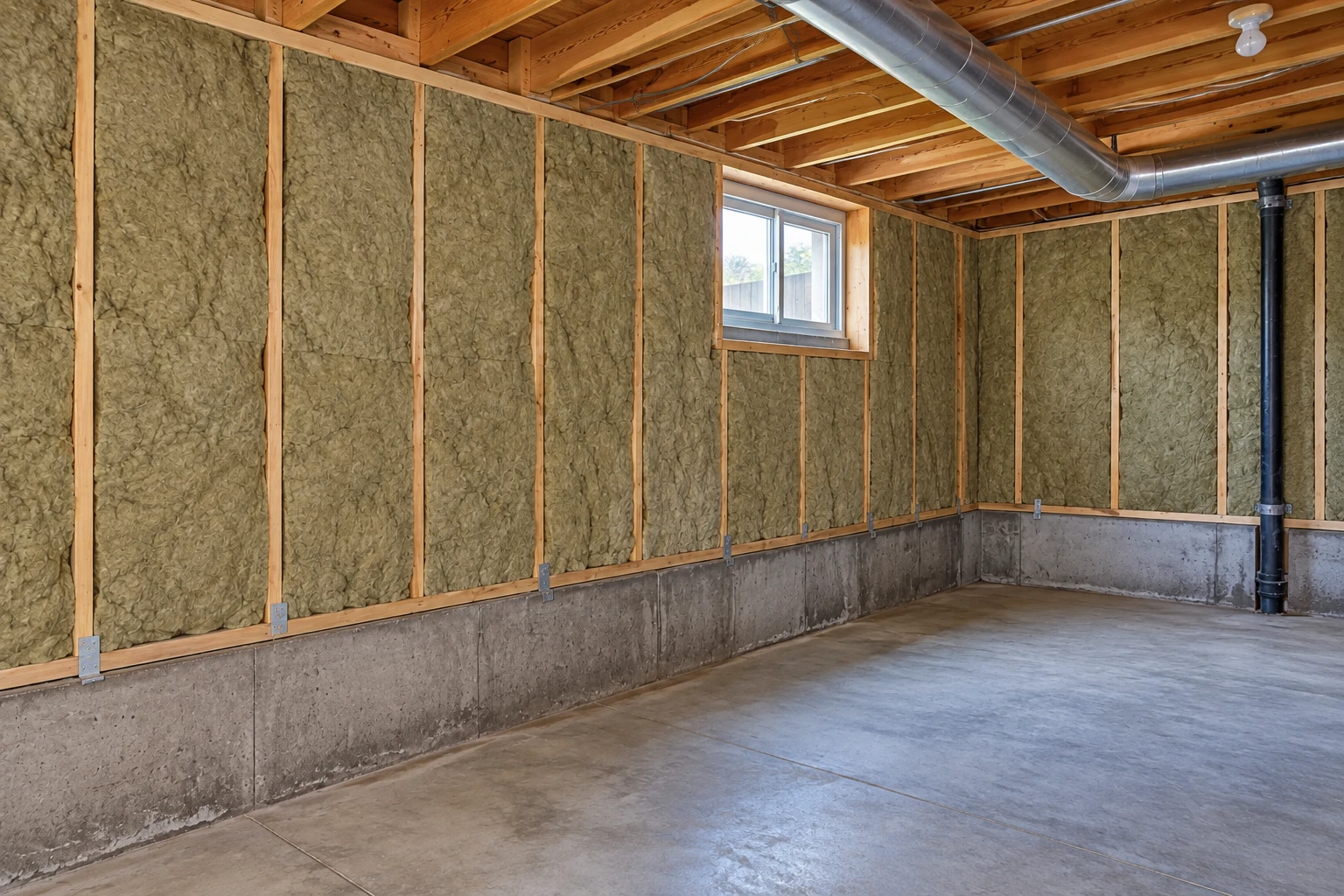
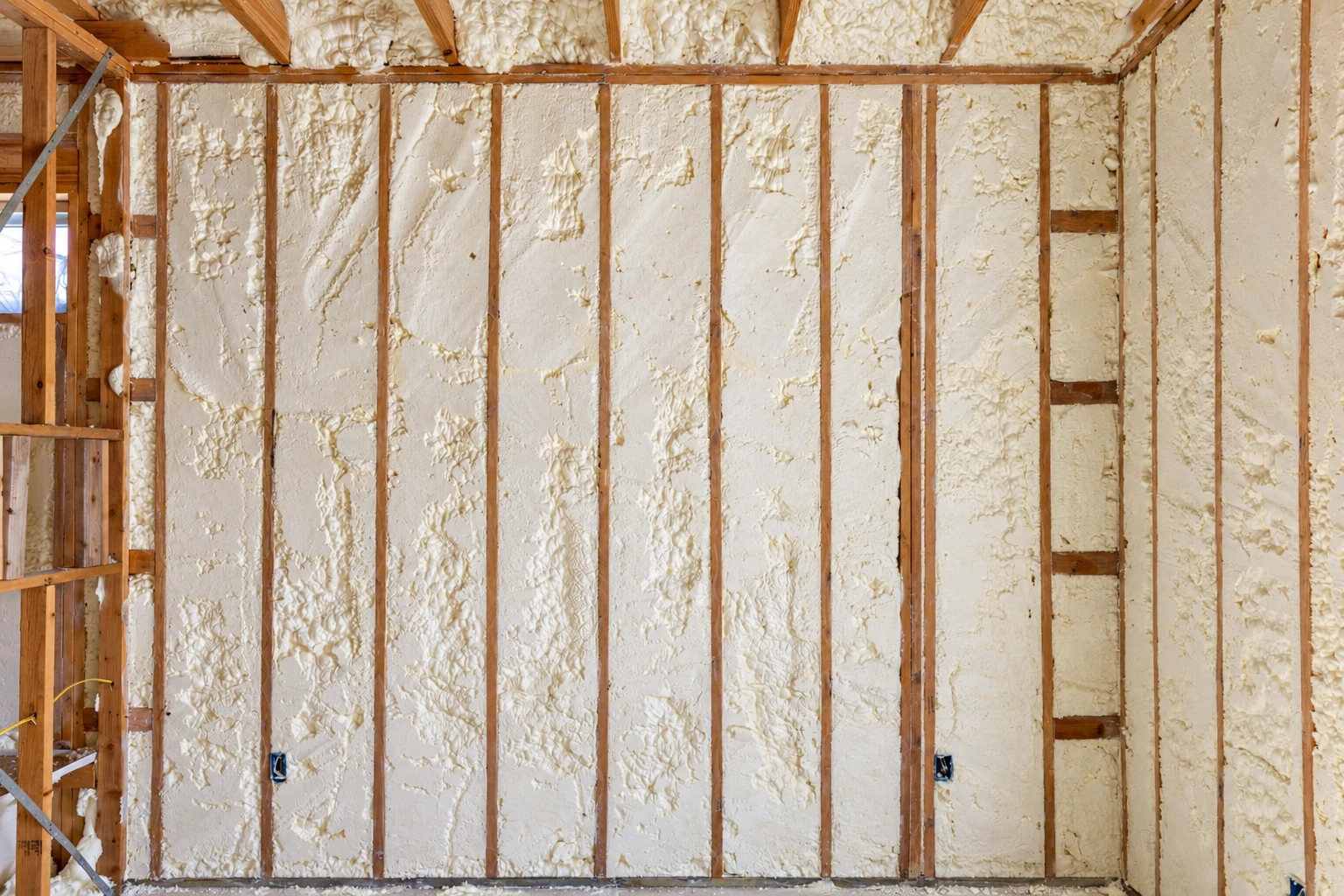
Sealing usually connects to other work. If the old insulation is soaked or full of droppings, it comes out through insulation removal before we seal, since new material over a mess only hides it. Where a house has a basement, we can seal the openings where pipes and wires come through as part of basement insulation, and when ducts run through the attic, closed-cell foam insulation, a dense foam that also blocks moisture, can seal and insulate in the same pass.
Seal the gaps, then top up loose fill
This suits most attics we see, where the ducts don't run through the attic or are already in decent shape. We seal the leaks by hand, then add blown-in insulation, loose fill blown through a hose, and it usually costs less than foam for the same attic.
Foam when the ductwork lives in the attic
Foam costs more, but it seals air while it insulates, which matters when ducts sit up in a hot attic. That's the one case where I'll usually point you toward foam instead of sealing and loose fill.